Don't believe me? I'll prove it to you. Better yet, I'll let you prove it to me.
But I don't believe in animal rights.
Okay, fine. But do you believe standards of animal care should be regulated or legislated?
Well, every animal has a right to--
Wait a minute. You said you don't believe in animal rights.
I don't.
So then, back to legislating or regulating standards of care. Why do so?
Because animals have a right to--
There's that word "rights" again.
It's just a word. I meant--
Laws are just words. Regulations are just words. Words define how we live, how we behave, how we think, what we believe. Dictating standards of animal welfare -- that's giving rights to animals. A right to food, a right to shelter, a right to medical care, and if you don't provide your animals with those rights, those words will put you in jail.
But shouldn't everyone have to take care of their animals?
Sure -- of their own will. Because it's the ethical thing to do.
Not because the animal has rights provided by law.
Not unless you actually believe in animal rights.
Showing posts with label AR. Show all posts
Showing posts with label AR. Show all posts
Friday, 2 November 2012

Monday, 11 June 2012
Trojan Horse
A proposed change in USDA rules would bring almost every pet breeder under federal guidelines, forcing them to build commercial kennels and submit to unannounced inspections by either the public or the USDA. The new proposal would appease the blood-lust of animal extremist groups like the HSUS, PETA, ASPCA, and In Defense of Animals. These groups support a surge in the war against pet breeders, and using the US Federal government to aid in their vendetta makes it even more objectionable. Imagine our own federal income tax dollars spent in the quest to shut down any in-home pet breeding. Nauseating.
The new proposal comes at a time when we find the Federal government under heavy pressure from the HSUS and other AR groups to over-regulate animal breeders under the guise of improving animal welfare. Anti-hunting, anti-breeding, and anti-agriculture bills are popping up all over, and our legislators still don't seem to be clued in yet to the AR agenda.
The idea with the new USDA proposal is supposedly "to close a loophole for pets sold on the Internet." The truth is, there is no "loophole" that needs closing. Pet breeders are heavily regulated already at the Federal, state and/or local levels. With the federal budget deficit, there are insufficient resources to enforce the rules for commercial breeders as currently defined without bringing thousands of new entities under the USDA umbrella. And, so-called "Puppy Mill Bills" have been passed in almost a dozen large states, making federal intervention unnecessary in those locales.
The idea with the new USDA proposal is supposedly "to close a loophole for pets sold on the Internet." The truth is, there is no "loophole" that needs closing. Pet breeders are heavily regulated already at the Federal, state and/or local levels. With the federal budget deficit, there are insufficient resources to enforce the rules for commercial breeders as currently defined without bringing thousands of new entities under the USDA umbrella. And, so-called "Puppy Mill Bills" have been passed in almost a dozen large states, making federal intervention unnecessary in those locales.
A comment period is currently open until July 16. Please do go to the site to voice your objections and request the proposal be withdrawn:
To view previous comments and get an idea of what others have already said, check here:
Now, ay, here's the rub. Should enough people complain that the USDA withdraws the new rules, there is a bill pending in Congress that will accomplish pretty much the same goal. This bill is PUPS and we have blogged about it here previously. PUPS would tag anyone with ownership of ONE bitch, who sells "X"-amount of dogs or puppies in a year, as a commercial breeder. Makes no difference if you are an active hobbyist who does some breeding but still operates at a financial loss as most do….it's just a numbers game played with the intent to stop breeding by any means possible.
PUPS has nearly enough sponsors to be passed should it come to a vote. And, if the new APHIS regulations are not implemented once the July comment period closes, then I strongly suspect that PUPS will be brought up almost immediately for a vote quicker than we can say "WHAM BAM THANK YOU MA'AM ".
So it is important to continue to oppose on both fronts….PUPS as well as the new APHIS regulations.
Friday, 23 March 2012
Down the Path Toward Extinction

The road to hell is paved with good intentions. Bernard of Clairvaux (1090 – 1153)
As noted in a prior post, the British "Canine Alliance" foolishly has expressed a desire to work with the KC to promote health testing in the show setting, providing that such checks apply fairly to ALL participants.
However, the idea of testing all show entrants is not practical, admits pedigree dog blogger, TV producer and animal rights puritan Jemima Harrison, stating, "can you imagine the uproar, anyway, should vets DQ some top dog de jour that's just arrived after a 300 mile journey to compete?"
Been there, done that. Remember Crufts last week? These people probably would have preferred to escape the spotlight of winning and then being singled out for ridicule for having an undisclosed "health problem". The popular lynch mob sentiment seems to be "why not release the results of their exam if they have nothing to hide"? Why not indeed? Privacy be damned, none of that exists after the witch hunt and public lynching. What was the crime again? Who knows? "Guilty!" is all that matters.
When the Canine Alliance members mentioned their objections to the heavy-handed and unfair way they have been treated by the Kennel Club, Harrison criticized them for worrying more about themselves than the dogs.
The DOGS are more important than the people who breed them, in the eyes of the animal rightists.
The dogs don't care if they are in a show, she muses, and anyway, she wants dog shows to go down the tubes for good…to be banned, in her words. (Like as if we didn't already figure that one out). Besides, if poodles cared they would object to being groomed to be "embarrassingly ridiculous" according to
No, dogs don't care at all if they are in a show, or how they are groomed. They are DOGS, not humans. Golly, that is hard to remember for those who prioritize the treatment of dogs over the treatment of human beings.
Yes, dog shows are primarily a human activity. We make the choice to participate, for whatever personal reason we may have. For fun, for possibly starting a breeding program, for camaraderie with fellow hobbyists, for the sense of accomplishment, for the bond you establish with your dog, for receiving recognition for a job well done. Don't we all seek approval? That is basic human nature.
But according to the ARistas, dogs have the right to not be exploited at the hands of the exhibitors, judges and breeders.
In a newly-released statement, the Canine Alliance states:
"The Canine Alliance
Any related organizations? Like who? YIKES! The Pedigree "exposers", perhaps? The RSPCA, an animal rights group? The very group that has actual police authority? Don't they have enough power already to enforce their anti-dog breeding agenda on society? Guess not.
You don't negotiate with terrorists! Those with nothing to lose don't actually compromise very well. It's all take and no give. The demands just keep on coming!
Anyone with a lick of common sense realizes that if you give animal rights extremists an inch, they will definitely take a mile. But sadly, those whose country is overrun with AR laws and bleeding-heart sentiment just don't seem to "get it". Exactly where do they envision this path to the future leading us?
Harrison, leader of the dog rights puritans, lays her cards on the table in her recent blog, as she mocks the published goals of the "Canine Alliance". Here is her plan for the path:
At last! An organisation that I can sign up to! After all, I'm involved with pedigree dogs and I can sign up to most of those aims. I also protect and support the well-being of pedigree dogs; I am happy to uphold the ethics of responsible dog breeding and to encourage health checking of all dogs….
So what shall we do first, CA?
- Limits on popular sires and inbreeding?
- KC registrations dependent on taking and actually passing breed specific tests?
- Health reps educated in rudimentary genetics?
- Proper breed health surveys?
- Ban dog shows in their current form (I mean, didn't you say you were working to the benefit of pedigree dogs?)
It's so exciting, isn't it? Together, we can achieve so much!
My my, someone who neither breeds nor shows dogs, but "involved" so intimately. So thrilled to have such "achievements" to crow about. "Together", eh? Unfortunately, with all the conciliating that the KC has done, I'm sure she does feel that such "achievements" are hers to boast about.
And, if I didn't know she was a pet owner rather than a breeder, this idea would clue me in immediately. Requiring PASSING breed specific tests simply to be registered? And what end, pray tell, would such folly serve? Do many people seeking out a purebred dog really want an unregistered dog? And when we move beyond registration to actual showing and breeding, shouldn't breeders have the license to decide whether or not they wish to throw the baby out with the bathwater?
Oops, guess not. After all, in true AR form, these folks believe it is horrific to pass on any defective genes. Dogs must be 100% disease-free to bred. Or, in the case of the British, to simply be exhibited! Ah, make that, must be disease-free to even be registered!
Is it any wonder that people resist health testing when there is such a social stigma attached to the "unhealthy" dog and its "bad breeder"? According to the events unfolding in the
And, the problem with such simple-mindedness is that there is no 100% healthy dog. ALL dogs, just like all people, can and do suffer from health problems, and yes, many are genetic. All animals carry some genes for detrimental health traits. Geneticists believe so, and I think they probably know whereof they speak.
In "Removing the Stigma of Genetic Disease", Dr. Jerold
Purebred dogs as well as outcrossed dogs all carry problem genes. And dogs with extremes of conformation…..excessively short legs or short noses, for example….are not necessarily inbred, PDE rhetoric notwithstanding.
Geneticists advise against automatic dismissal of disease carriers. Such practices further limit genetic diversity. Such practices give us the same result as popular sire syndrome! For some of the endangered breeds, narrowing the gene pool by eliminating dogs with whatever health problem you are looking at is not always a black-and-white decision.
What the devil is a "proper" breed health survey? Oh, I'm sure the omniscient ARs among us will be waiting in line to help craft such projects. The very people who believe that elimination of hip dysplasia in domestic dogs is a realistic goal.
If one is actually "educated in rudimentary genetics", they would not recommend such drastic winnowing away at breed gene pools. Eliminate every dog with borderline or worse hips, and a significant proportion of ALL dogs will be gone. Canine orthopedists know that few breeds are free of hip dysplasia, and many if not MOST breeds have significant numbers of affected dogs.
So there go most all the breeds on hip issues, with the possible exception of sighthounds and standard poodles. In some of the toy breeds, eliminating all dogs with patellar issues would mean entire breeds would be tossed out.
Eliminating every Clumber with a diamond-shaped eyelid, as the AR extremists wish, would eliminate, well, EVERY Clumber Spaniel, wouldn't it? This from the KC breed standard:
"Acceptable to have some haw showing but without excess. Free from obvious eye problems."
"Haw" shows with a mild degree of ectropion. Apparently this part of the standard conflicts with the stated goals of the newly-instituted health checks. Wouldn't it be grand if they could get their act together and coordinate the goals here?
The KC just released information on breeds that are in danger of extinction in their country due to low numbers and closed gene pools.** Twenty-nine breeds are now considered endangered species in the
Way to decimate the gene pools of the breeds most in danger of extinction. Jolly Good Show!
Ronald Reagan reportedly once said, "The nine most terrifying words in the English language are: "I'm from the government and I'm here to help."
Substitute "Kennel Club" for "government", and you have the ten most terrifying words in the English language.
Wednesday, 14 March 2012
The Writing on the Wall

Elizabeth, the Lhasa Apso deserves hearty congratulations for her Best in Show win at Crufts 2012.
The Lhasa Apso is closely related to the Pekingese, the Shih Tzu and the Tibetan Spaniel, and a bit further removed is the Tibetan Terrier, the Pug and the Japanese Chin. In fact, sometimes different-coated dogs known popularly as "Prapsos" (perhaps Apsos) are born in Shih Tzu and Lhasa Apso litters. These dogs have different coats, shorter and straighter, and they look nearly identical to a Tibetan Spaniel.
This is a clue to the close genetic relationship these breeds share. Historically, it is believed by some that the Chinese used the most extreme short-faced Tibetan dogs to develop the Pekingese. Some people believe it happened the other way around; that the Pekingese gave rise to those other breeds, but either way it is obvious that the Peke has been interbred with and is closely related to the various Tibetan breeds.
Elizabeth, and indeed her breed in general, escaped the intense scrutiny of being on the "High Profile Breed" hit list. At least for this year.
This despite the close relationship to other breeds under fire, and sharing some of the much-criticised "extreme" features. The Lhasa Apso has a coat that dusts the floor. And hair that cascades over the eyes. And an undershot lower jaw. And is brachycephalic.
The AKC breed standard states:
The preferred bite is either level or slightly undershot....Heavy head furnishings with good fall over eyes, good whiskers and beard.
The KC standard specifies:
Head furnishings with fall over eyes, but not affecting the dog's ability to see....Muzzle.....length from tip of nose roughly one third total length from nose to back of skull...reverse scissor bite.
Now don't get me wrong, I don't find fault with the standards. I'm simply anticipating future criticism by the nannying animal welfarists. A short muzzle, with an undershot bite? Dentition is probably suboptimal. Isn't all that hair a bit too "extreme"? That has been an oft-repeated criticism of the Pekingese....too much coat. Will the Lhasa be next to be criticised for their coat? At least the coat of the Pekingese doesn't fall over the eyes!
The Moving Finger writes; and, having writ,
Moves on: nor all thy Piety nor Wit,
Shall lure it back to cancel half a line,
Nor all thy Tears wash out a Word of it.
But helpless pieces in the game He plays,
Upon this checker-board of Nights and Days,
He hither and thither moves, and checks ... and slays,
Then one by one, back in the Closet lays.
Upon this checker-board of Nights and Days,
He hither and thither moves, and checks ... and slays,
Then one by one, back in the Closet lays.
 |
| Lhasa apso littermates, "Prapso" on the right |
Sunday, 26 February 2012
PETA - THE BUTCHER OF NORFOLK
The Boston Globe - Editorial
"Dog show: Canine 1 percenters only"
February 15, 2012
For those who know the world of dog competitions mainly through the 2000 comedy film “Best in Show,’’ it’s all too easy to dismiss the humans in this world as obsessive fussbudgets who’ve lost track of the bigger picture. The Westminster Kennel Club Dog Show surely hasn’t dispelled that image with its decision to part ways with its former sponsor, Pedigree, over the pet food brand’s ads urging viewers to adopt shelter dogs.
Those Pedigree ads were powerful, featuring noble-looking canines and a somber voice-over urging viewers to adopt shelter dogs, not pity them. This was too much of a downer for the kennel club. “Show me an ad with a dog with a smile,’’ a kennel club spokesman told the Associated Press. “Don’t try to shame me.’’ Sure enough, the ads on this week’s broadcast, from competitor Purina, have been far more upbeat.
The kennel club is free to accept whichever sponsors it chooses. But a dog show - one billed, no less, as a celebration of dogs - is the best possible forum to urge the adoption of shelter animals. Instead, the kennel club’s stance only highlights the disconnect between the plight of millions of mutts and the bizarrely cosseted existence of canine 1 percenters.
Response -
PEDIGREE AND WESTMINSTER
LETTERS TO THE EDITOR
letters - dog show hounded by controversy
February 23, 2012
RE “DOG show: Canine 1 percenters only’’ (Editorial, Feb. 15): The Globe mocks those who enjoy showing their dogs as a hobby, yet remains stone silent on the hypocrisy of the animal rights groups, whose shelter ads only serve to inflame public ill will toward dog show participants.
That “somber voice-over’’ in the Pedigree commercial belongs to David Duchovny, an animal rights extremist and supporter of People for the Ethical Treatment of Animals. PETA attempted to interrupt this year’s Westminster dog show with with a stage-grabbing protest, like a similar protest two years ago. Thankfully, they were held back this time by security. The American Humane Association, a co-sponsor of the Pedigree adoption drive, is also a fanatical anti-breeding animal rights organization.
We are fed up with so-called animal rights groups. PETA euthanizes dogs by the thousands at their Virginia “shelter”, as do other animal rights groups through their promotion of anti-animal ownership legislation.
Breeders, on the other hand, do not suffer from any “disconnect’’ from shelter animals. We rescue and re-home thousands of dogs every year through breed rescue efforts. We support the Canine Health Foundation, which helps improve the lives of all dogs, whether purebred or mixed breed. Who are the animal rights groups to dare lecture the rest of us on how “unlucky’’ shelter dogs are, compared to the dogs who have the spotlight?
Animal rights groups should not be allowed advertising spots to heap scorn and derision on dog hobbyists.
Geneva Coats
PETA – “BREEDERS KILL DOGS”
February 26, 2012
IT’S DISINGENUOUS for letter writer Geneva Coats to criticize those who must perform the thankless, heartbreaking task of euthanizing homeless and suffering animals when the purebred dog-breeding industry she supports directly contributes to the need to do so ( “Breeders aren’t the problem; PETA is the problem,’’ Letters, Feb. 23).
The Westminster dog show is well aware of its role in the animal
homelessness crisis, which is undoubtedly why it blocked commercials
urging viewers to adopt homeless dogs for being too sad. Sad indeed:
thousands of healthy dogs are waiting behind bars in shelters at this
very minute. Their lives depend on being adopted, yet breeders continue to churn out litters of puppies, in hopes of making profits or winning ribbons. Every time someone buys an animal from a breeder, a dog or cat in a shelter loses her chance at a home and will pay with her life.
Breeding may be a hobby for people like Coats, but for dogs waiting in
shelters, it is a death sentence. If breeders really cared about
animals, they would stop bringing more of them into a world that is
tragically short of good homes and work to promote spaying, neutering, and adoption instead.
Daphna Nachminovitch
Vice president,
People for the Ethical Treatment of Animals
Norfolk, Va.
There's a reason that PETA’s president is dubbed “THE BUTCHER OF NORFOLK”
Feb 26, 2010
The hypocrites at PETA kills adoptable animals by the thousands at their Virginia "shelter". They have a horrific 97% kill rate. This is a matter of public record. Meanwhile, other shelters in the US, who actually do care about animals, have made great strides in reducing their intake and euthanasia rates. According to Maddie's Fund, we are on target to reach a nationwide "no kill" level by 2015.
Pet overpopulation is a myth. The overwhelming majority of our nation's pets are sterilized, and we now face an acute shortage of pets in many areas. Many shelters, particularly in the New England states, import dogs from other areas and even from other countries. Hundreds of thousands of dogs are brought in from Taiwan, Romania, Mexico and the Caribbean. In November, 41 "rescued" dogs were shipped into Los Angeles from Spain.
Massachusetts shelters have imported street dogs from Puerto Rico for many years now. In July of 2004, six people had to receive rabies treatments after a Massachusetts shelter imported a rabies-infected Puerto Rican street dog.
Nationwide statistics show that there are almost six homes available for every animal that is killed in a shelter. Shelters who kill adoptable animals do so by choice.
Don't be fooled by PETA propaganda. PETA kills animals. Their sadistic, misanthropist philosophy is the antithesis of "ethical".
http://www.petakillsanimals.com/
Shelters and rescues importing dogs by the hundreds of thousands:
http://time4dogs.blogspot.com/2011/03/its-raining-dogsfrom-other-countries.html
Debunking pet overpopulation:
http://www.nathanwinograd.com/?p=1390
No Kill – We’re Almost There Already!
http://www.maddiesfund.org/no_kill_progress.html

"Dog show: Canine 1 percenters only"
February 15, 2012
For those who know the world of dog competitions mainly through the 2000 comedy film “Best in Show,’’ it’s all too easy to dismiss the humans in this world as obsessive fussbudgets who’ve lost track of the bigger picture. The Westminster Kennel Club Dog Show surely hasn’t dispelled that image with its decision to part ways with its former sponsor, Pedigree, over the pet food brand’s ads urging viewers to adopt shelter dogs.
Those Pedigree ads were powerful, featuring noble-looking canines and a somber voice-over urging viewers to adopt shelter dogs, not pity them. This was too much of a downer for the kennel club. “Show me an ad with a dog with a smile,’’ a kennel club spokesman told the Associated Press. “Don’t try to shame me.’’ Sure enough, the ads on this week’s broadcast, from competitor Purina, have been far more upbeat.
The kennel club is free to accept whichever sponsors it chooses. But a dog show - one billed, no less, as a celebration of dogs - is the best possible forum to urge the adoption of shelter animals. Instead, the kennel club’s stance only highlights the disconnect between the plight of millions of mutts and the bizarrely cosseted existence of canine 1 percenters.
Response -
PEDIGREE AND WESTMINSTER
LETTERS TO THE EDITOR
letters - dog show hounded by controversy
February 23, 2012
RE “DOG show: Canine 1 percenters only’’ (Editorial, Feb. 15): The Globe mocks those who enjoy showing their dogs as a hobby, yet remains stone silent on the hypocrisy of the animal rights groups, whose shelter ads only serve to inflame public ill will toward dog show participants.
That “somber voice-over’’ in the Pedigree commercial belongs to David Duchovny, an animal rights extremist and supporter of People for the Ethical Treatment of Animals. PETA attempted to interrupt this year’s Westminster dog show with with a stage-grabbing protest, like a similar protest two years ago. Thankfully, they were held back this time by security. The American Humane Association, a co-sponsor of the Pedigree adoption drive, is also a fanatical anti-breeding animal rights organization.
We are fed up with so-called animal rights groups. PETA euthanizes dogs by the thousands at their Virginia “shelter”, as do other animal rights groups through their promotion of anti-animal ownership legislation.
Breeders, on the other hand, do not suffer from any “disconnect’’ from shelter animals. We rescue and re-home thousands of dogs every year through breed rescue efforts. We support the Canine Health Foundation, which helps improve the lives of all dogs, whether purebred or mixed breed. Who are the animal rights groups to dare lecture the rest of us on how “unlucky’’ shelter dogs are, compared to the dogs who have the spotlight?
Animal rights groups should not be allowed advertising spots to heap scorn and derision on dog hobbyists.
Geneva Coats
PETA – “BREEDERS KILL DOGS”
February 26, 2012
IT’S DISINGENUOUS for letter writer Geneva Coats to criticize those who must perform the thankless, heartbreaking task of euthanizing homeless and suffering animals when the purebred dog-breeding industry she supports directly contributes to the need to do so ( “Breeders aren’t the problem; PETA is the problem,’’ Letters, Feb. 23).
The Westminster dog show is well aware of its role in the animal
homelessness crisis, which is undoubtedly why it blocked commercials
urging viewers to adopt homeless dogs for being too sad. Sad indeed:
thousands of healthy dogs are waiting behind bars in shelters at this
very minute. Their lives depend on being adopted, yet breeders continue to churn out litters of puppies, in hopes of making profits or winning ribbons. Every time someone buys an animal from a breeder, a dog or cat in a shelter loses her chance at a home and will pay with her life.
Breeding may be a hobby for people like Coats, but for dogs waiting in
shelters, it is a death sentence. If breeders really cared about
animals, they would stop bringing more of them into a world that is
tragically short of good homes and work to promote spaying, neutering, and adoption instead.
Daphna Nachminovitch
Vice president,
People for the Ethical Treatment of Animals
Norfolk, Va.
There's a reason that PETA’s president is dubbed “THE BUTCHER OF NORFOLK”
Feb 26, 2010
The hypocrites at PETA kills adoptable animals by the thousands at their Virginia "shelter". They have a horrific 97% kill rate. This is a matter of public record. Meanwhile, other shelters in the US, who actually do care about animals, have made great strides in reducing their intake and euthanasia rates. According to Maddie's Fund, we are on target to reach a nationwide "no kill" level by 2015.
Pet overpopulation is a myth. The overwhelming majority of our nation's pets are sterilized, and we now face an acute shortage of pets in many areas. Many shelters, particularly in the New England states, import dogs from other areas and even from other countries. Hundreds of thousands of dogs are brought in from Taiwan, Romania, Mexico and the Caribbean. In November, 41 "rescued" dogs were shipped into Los Angeles from Spain.
Massachusetts shelters have imported street dogs from Puerto Rico for many years now. In July of 2004, six people had to receive rabies treatments after a Massachusetts shelter imported a rabies-infected Puerto Rican street dog.
Nationwide statistics show that there are almost six homes available for every animal that is killed in a shelter. Shelters who kill adoptable animals do so by choice.
Don't be fooled by PETA propaganda. PETA kills animals. Their sadistic, misanthropist philosophy is the antithesis of "ethical".
http://www.petakillsanimals.com/
Shelters and rescues importing dogs by the hundreds of thousands:
http://time4dogs.blogspot.com/2011/03/its-raining-dogsfrom-other-countries.html
Debunking pet overpopulation:
http://www.nathanwinograd.com/?p=1390
No Kill – We’re Almost There Already!
http://www.maddiesfund.org/no_kill_progress.html

Thursday, 9 February 2012
Ranger's Proposal
The City of Chula Vista, California, recently established a task force to attempt to develop ways to reduce shelter intakes. (See “Senseless in San Diego” on this blog to be brought up to speed on the situation in Chula Vista). The task force is composed of rescuers, breeders and city employees.
Sharon Hamolsky, a self-proclaimed “animal advocate”, recently brought a powerpoint presentation to the City, called “Ranger’s Proposal.” The proposal is named after her dog “Ranger.” Ms. Hamolsky holds a B.A. in religion (biblical studies) and she is a licensed pilot. No credentials in animal husbandry, however. Imagine that!
“We have to weed out unscrupulous breeders who put profit before humane care for pets. We have to put unscrupulous breeders out-of-business….All prospective pet owners want a healthy animal”, the presentation begins.
OK, so far so good. We are all for humane care for pets, most of us agree that the unscrupulous should be put out of business. And, a healthy animal is always a good thing, particularly when looking for a pet.
"Ranger's Proposal will ensure prospective pet owners will be buying a quality puppy or kitten that meets very high standards.” Hamolsky states. Great! Maybe they are coming up with a plan to reduce the numbers of puppies smuggled in from Mexico?
Shelter workers favor adopting a pet from a shelter, or a rescue, Hamolsky continues. “But, if you absolutely must have a purebred puppy or kitten, ‘Ranger's Proposal’ will ensure the health and well-being of the pet.”
Fabulous! We can have guarantees for health and well-being! Let’s see the rest of the proposal to know how this miraculous feat will be accomplished.
First, we are told that breeders must pay for a special breeder’s license, and pay to be listed on a special Licensed Breeder website, and pay to be included in a 1-800 U-verify phone line for breeders. OK, so far I’m not seeing how this proposal will ensure health and well-being of the pet. It looks like the money is going to go to city bureaucrats, not for veterinary care, or to buy food or new toys. Hmmm.
Next, Hamolsky explains that breeder licensing is a requirement in the City of Los Angeles. However, she neglects to mention that LA’s breeder licensing and mandatory spay-neuter laws have been an abject failure. The cost for a breeder’s permit is $235 per year, and must be paid for any intact dog, whether or not the dog is ever bred. There is a four-page application for said permit, and I’d be surprised if any have applications have been submitted to date. Shelter numbers and deaths have risen sharply in Los Angeles under the brunt of these new fees, rules and regulations.
Still not seeing how any of this promotes health and well-being of our pets. It’s all about extorting money.
Next, Ms. Hamolsky presents a list of “approved breeder criteria” which she claims is approved by Bill Bruce, the very successful director of Calgary, Alberta’s animal control department. Mr. Bruce is a strong proponent of licensing for both dogs and cats.
However, the purpose of the licensing is to facilitate returning lost pets to their owners. Licensed pets are even given a free ride home. Mr. Bruce has stated in public seminars that as long as the owner licenses, he doesn’t care how many pets they have or what they do with them. So I am rather skeptical of Ms. Hamolsky’s claim that Bill Bruce approved her list of criteria for inclusion on the licensed breeder website. That would be rather out of character for him.
The requirements include:
• Must purchase a breeder’s license
• Annual physical exams for the breeding animals
• Owner must follow the veterinary recommendations for preventive health care
• Veterinary recommendations must be entered into a log book, with dates of compliance, and this book must be available for inspection 24/7.
• Unannounced inspections at any time, with a minimum charge of $100 per inspection. You must pay in advance or lose your breeder’s license, and lose your animals (how does one pay in advance for an unscheduled inspection?)
• Limit of one litter per year, and four per lifetime of the animal
• Must pay city business license fees, state and local taxes and state sales taxes.
• (Insert here a drone-like comment about how breeders contribute to “overpopulation”, a condition which does not exist in San Diego County.)
• Prohibition of pet sales in pet stores unless the animal is a “rescue”
• Recommendation to require microchip or tattoo
Whether or not any of this promotes health and well-being of the pet is highly debatable. It definitely would serve to bloat the government coffers, and beef up the veterinarians' paychecks. Hey, City Councilmember Rudy Ramirez’s sister is a veterinarian! Now I think we can understand the impetus for these ideas.
Lastly, Ms. Hamolsky suggests launching an ad campaign featuring male stars and athletes to promote sterilization of male dogs. WAIT a minute! What does neutering have to do with promoting health and well-being of pets? There are few genuine medical conditions that require neutering, and many health problems that can occur as a result of neutering. And what does a public ad campaign for neutering have to do with breeder licensing?
All in all, this is a very schizophrenic proposal, and will only serve to eliminate local sources of healthy, well-bred pets. Breeding dogs is generally a money-losing proposition, and heaping more fees, permits, inspections and other hassles on those who breed an occasional litter will only cause them to give up altogether.
Ah, well, there’s always Mexico; the border is just a few short miles from Chula Vista. They’ll be happy to fill our orders for pets.
Sunday, 25 September 2011
Huffington Post - Puppet for the Animal Rights Extremist Agenda
Popular News Agency Reports Unsubstantiated Assertions Designed to Restrict Pet Ownership
Geneva Coats, R.N.
Secretary, California Federation of Dog Clubs
Legislative Liaison, American Pomeranian Club
Carole Raschella, Director
California Federation of Dog Clubs
The Huffington Post recently ran an article by Joanna Zelman entitled: "PETA And Bob Barker Call For Spay/Neuter Law To Fight Animal Overpopulation".
Carole Raschella, Director
California Federation of Dog Clubs
The Huffington Post recently ran an article by Joanna Zelman entitled: "PETA And Bob Barker Call For Spay/Neuter Law To Fight Animal Overpopulation".
This article is filled with many errors and misperceptions from celebrities who really do not have facts or logic on their side. Let's correct some of these urban legends right here and now.
SPAY-NEUTER AND SHELTER INTAKES
There is an assumption by the article author that mandatory spay and neuter laws work to decrease the number of shelter intakes, and thus reduce killings. In fact, the opposite is true. Every locale that has enacted a mandatory spay and neuter law has seen a RISE in shelter admissions and killings. Fort Worth, Texas repealed their mandatory spay and neuter law as licensing and compliance plummeted, and cases of rabies increased.
Memphis passed a mandatory spay and neuter law last year. Since then, shelter intakes have risen 8% in that city.
Los Angeles is another case in point. After decades of steadily declining shelter numbers, LA reversed the good trend in one fell swoop with enactment of a mandatory spay and neuter law. Intakes and deaths immediately rose by over 30% and continue in an upward spiral. (1)
No mainstream animal welfare organization supports mandatory spay and neuter. The AVMA opposes it. So does the ASPCA, Best Friends Animal Shelter, American Humane Association, Ally Cat Allies and the No Kill Advocacy Center. They know what the Huffington Post should have also discovered, had they done their due diligence - that punitive legislation increases shelter admissions and deaths.
The American College of Theriogenologists is composed of veterinarians who specialize in reproductive medicine. They also have studied the issues and oppose mandatory spay and neuter. The ACT notes:
"....the decision to spay or neuter a pet must be made on a case by case basis, taking into consideration the pet's age, breed, sex, intended use, household environment and temperament. The use of generalized rules concerning gonadectomy (removal of the ovaries or testes) is not in the best interest of the health or well-being of the pets or their owners."
"In fact, in some European Union countries where gonadectomy is illegal unless deemed medically necessary (such as Norway) there are no significant problems with pet overpopulation, indicating that the pet overpopulation problem that exists in the United States is due to cultural differences on the importance of pets, the responsibility of pet owners, and the ability of the government and national agencies to properly educate the public. "
All the experts who have examined the issue (not actors who don't have a clue about the truth) are opposed to mandatory spay and neuter because it increases shelter intakes and death. But, why wouldn't spay and neuter be in the best interest of the health an well-being of the pet, as stated by ACT?
SPAY-NEUTER AND HEALTH
In fact, there are few benefits, and many health risks associated with surgical removal of the sex organs. The American Veterinary Medical Association admits to some seldom-mentioned problems with sterilization in this journal article:
"....potential health problems associated with spaying and neutering have also been identified, including an increased risk of prostatic cancer in males; increased risks of bone cancer and hip dysplasia in large-breed dogs associated with sterilization before maturity; and increased incidences of obesity, diabetes, urinary tract infections, urinary incontinence, and hypothyroidism." (2)
In 2007, in an attempt to verify previous scientific testing regarding negative health effects resulting from spay-neuter, yet another study was done on the effects of neutering on the male urogenital tract. The results were shocking.
Neutered dogs were four times more likely to suffer from malignant bladder cancer than intact dogs. Neutered dogs were eight times more likely to suffer from prostate transitional cell carcinoma than intact dogs. They were twice as likely to suffer from prostate adenocarcinoma, and four times as likely to suffer from prostate carcinoma. On average, castrated dogs are three times more likely than their intact counterparts to develop some type of prostate cancer. (3)
Neutered dogs were four times more likely to suffer from malignant bladder cancer than intact dogs. Neutered dogs were eight times more likely to suffer from prostate transitional cell carcinoma than intact dogs. They were twice as likely to suffer from prostate adenocarcinoma, and four times as likely to suffer from prostate carcinoma. On average, castrated dogs are three times more likely than their intact counterparts to develop some type of prostate cancer. (3)
But specific health problems are not the most serious concern when it comes to sterilization surgery. In a recent study reported in the Journal of the American Veterinary Medical Association, female Rottweilers spayed after the age of six years old (or never spayed) lived on average 30% longer than spayed dogs. (4)
In a nutshell, you could have many more years with your dog simply by avoiding unnecessary spay surgery. The only medical indications for spay surgery are treatment of pyometra when it occurs, and prevention of breast cancer in breeds that are genetically predisposed. These problems affect a relatively small number of dogs. Bottom line, spaying is a decision best left to the owner after weighing the risks vs benefits of the procedure.
The government has no moral, ethical or medical justification to mandate spay/neuter surgeries. Sterilization can jeopardize good health and can shorten the dog's lifespan. Such nanny laws violate our rights to make our own decisions regarding our animals. Who likes being forced by our lawmakers to spend hundreds of dollars on surgery that is unnecessary, and that can be harmful to our animal's health? No one.
SPAY-NEUTER IS PART OF THE ANIMAL RIGHTS AGENDA OF PET ELIMINATION

PETA's employees were convicted of picking up dogs and cats from local veterinarian's offices and shelters, promising to find them homes, but instead killing them in the van within a few minutes, and then dumping the bodies in various regional dumpsters. These poor animals never even made it out of PETA's pickup van alive! (6)
Elimination of pet breeding a stated goal of Animal Rights groups, as per their twelve-step convention platform. This platform was printed in "Animals' Agenda" magazine in November, 1987 in an article entitled "Politics of Animal Liberation" by Kim Bartlett. Item #10 states:
We strongly discourage any further breeding of companion animals, including pedigreed or purebred dogs and cats. Spay and neuter clinics should be subsidized by state and municipal governments. Commerce in domestic and exotic animals for the pet trade should be abolished.
Are things becoming a bit clearer now? The animal rights groups have admitted upfront their agenda to end the pet trade. And the aggressive push for spay/neuter, sales bans and over-regulation of breeding is all part of that agenda to end pet ownership. It's a goal they have been progressing for the past 30 years. And claims of "abuse" and "overpopulation" are tools used to achieve that end.
We need to preserve the gene pools of our breeds of dogs and cats if we expect to have pets in the future. We all want to have pets a few years down the road, don't we?
Well, most of us do, but not PETA and other radical animal rights groups. PETA's Ingrid Newkirk has stated:
"In the end, I think it would be lovely if we stopped this whole notion of pets altogether."
and
"If people want toys, they should buy inanimate objects. If they want companionship, they should seek it with their own kind."
So PETA would be happy if pets went extinct, but I doubt that it would be OK with the 2/3 of the households in the US who enjoy having pets to enrich our lives.
Pet Population Problems are Grossly Exaggerated
The number of animals killed in shelters needs to be viewed in perspective. Let's look at some REAL facts and figures.
According to the 2011-2012 nationwide survey conducted by the American Pet Products Manufacturers Association, there are 165 million owned animals in the US. The numbers killed in shelters, an estimated 3-4 million, is less than 2% of the total number of all owned animals in the US.
And those killed are not all OWNED animals. There is a large population of unowned feral cats in the US. Nationwide, over half the shelter intakes are feral cats and their kittens. These should be trapped, neutered and released, not killed.
Considering that there are probably countless millions of feral cats out there to add to the total numbers of owned dogs and cats in the US, the percentage of those killed in shelters is minuscule. By the way, feral cats are not going to line up to comply with the law and be sterilized. Spay-neuter laws won't affect their numbers one whit.
Next, a goodly percentage of those animals who are killed are aged, ill, injured, aggressive, or brought in for owner-requested euthanasia. Another fun fact: In California in 2010, a full 11% of animals listed as shelter intakes were DOA. Yet these already-dead animals count as shelter intakes.
The APPMA survey further informs us that a full 78% of owned dogs are ALREADY spayed or neutered, and a whopping 88% of all owned cats are also spayed or neutered. So where are all these dogs and cats that need to be forcibly neutered?
They exist solely in the overactive imagination.
ANIMAL ABUSE IN OTHER COUNTRIES - PET IMPORTATION INTO THE USA
David Duchovny is quoted as saying that other countries "control stray dog populations by poisoning, hanging, throat slitting, beating to death, electrocution, and shooting."
What do Mr. Duchovny's statements about the inhumane treatment of dogs in other countries have to do with the conditions of dogs living right here? Absolutely nothing.
Abuse of animals is a separate issue from pet population control issues. Correlating animal abuse with population issues is a common logical fallacy. If there is any relationship, it is one of the US supporting abuse in other countries. US rescue groups import animals from these other, less humane, countries on a regular basis.
Why? Because we have a SHORTAGE of adoptable animals here in the continental US. Check out the websites of such groups as "Compassion Without Borders", "Save a Sato", "Dogs Without Borders", "Animal Rescue Team Taiwan","Pets From Paradise" and many others. By importing from areas with purported abuse, we only perpetuate the cycle of animals raised under poor conditions.
According to the illogic presented in the Huffington Post article, it's not OK to breed our animals here in the US under regulated and humane conditions, but it is fine to import them from other countries, when they are bred under unknown, possibly abusive conditions? There have been so many instances of dogs imported by "rescues" exposing US citizens and animals to rabies and other problems that the USDA is currently writing regulations on the importation of puppies.
All in all, over 300,000 dogs are estimated to be imported each year (7), and even more are smuggled into the country illegally. (8)
Shelters in the New England states have to import dogs because they don't have enough to fill the demand. "North Shore Animal League" has made this into a full-time business. There are tens of thousands of dogs being imported to fill New England shelters that would otherwise be empty. And now, the New England Federation of Humane Societies recently held a conference in Maine.
One of the topics for discussion was:
"New England is Running Out of Kittens! Discussion of kitten importation and how we can get ahead of the issue." Facilitated by Bert Troughton, ASPCA (9)
I guess that pretty well blows the assertion out of the water about one cat producing 420,000 kittens. All New England would need would be one lone cat to supply them with all the kittens they would ever need.
THE TRUTH ABOUT PET "OVERPOPULATION"
Why the need to relocate and import dogs and cats? After all we have "overpopulation", right?
WRONG. The facts and figures paint a different picture.
Acording to shelter statistics recently assembled, there are approximately 3 million dogs and cats killed each year. Acording to shelter expert Nathan Winograd:
"How many need to find new homes? If shelters are doing their jobs comprehensively, just over 2 million (3 million on the high end). The remainder should be increased reclaims or in the case of feral cats, TNR'd." (trapped, neutered and released)
Winograd recounts that there are 23 million homes opening up each year for dogs and cats. Four million homes will adopt a shelter pet. Another 17 million have not decided where they will obtain their new pet, and could be influenced to adopt from a shelter.
"So, 17 million people for 2-3 million dogs and cats. Has this happened anywhere? Yes, there are many communities which have hit the 90th percentile in save rates. How long did it take them? They did it virtually overnight when new leadership committed to the No Kill philosophy and passionate about saving lives replaced long standing bureaucrats mired in defeatism and excuse making." (10)
So yes, Ms. Gauld, we CAN adopt our way out of this. We already have. We have a shortage of pets. Maybe someone needs to speak up and say, enough with the sales bans and the spay-neuter rhetoric. It's time to start breeding some nice animals before all we have left is street strays from distant lands where abuse is rampant. Do we really want to support the system of abuse in other countries as detailed by Mr. Duchovny?
The statement that breeding causes shelter animals to be killed is absurd. It makes about as much sense as saying that no one should have a baby as long as there are homeless people on the streets, or kids in orphanages. The logic is the same as that which our mothers used when they implored us to eat our peas, because there are starving children in other countries. Such statements are light on logic and heavy on guilt.
Again, why is anyone listening to the hypocrites over at PETA? Mandatory spay and neuter does not save lives; in fact, such mandates shorten the lives of our animals and cause increases in shelter intakes and deaths. (11) Perhaps a new law requiring celebrities to be muzzled in public would be more beneficial to society.
Our animals pay with their lives for these anti-animal spay-neuter laws.
The Price is WRONG, Bob.
Saturday, 6 August 2011
Pet store protest bimbos

 |
| Photo of bimbo from "D Cups Saving Teacups" website |
Yes, folks, it's the Blonde leading the Blonde in southern California.
If it isn't bad enough that there are self-proclaimed bimbos calling themselves "D Cups Saving Teacups", we continue to have other empty-headed morons protesting pet stores on a regular basis.
The animal extremist group "Companion Animal Protection Society" or "CAPS" is planning a protest tomorrow of a pet store in Orange County. It seems that CAPS is buoyed by their successes with previous pet store protests. In several communities in southern California, CAPS has achieved legal bans on sales of pets in stores, and they plan to continue their crusade.
And now, a CAPS leader has stated in a public forum that no one should breed dogs as long as there are animals in shelters. (In other words, no breeding until hell freezes over.) Now anyone with two brain cells to rub together knows that there will ALWAYS be animals entering shelters. But then, these gals don't seem to have two brain cells among them.
Are these pet store picketers really such empty-headed bimbos as they portray themselves?
Apparently, yes. Those who want to ban sales of pets in pet stores (except for "rescues") are completely clueless about the demographics of pets in our nation. They are asking for "proof" of the decline in shelter numbers in our nation. Seems they think that shelter numbers have INCREASED since the 1970s and 1980s. WRONG! DUH, ladies.
It seems ludicrous that the people who want to force everyone to stop breeding are totally ignorant of shelter statistics.
According to “Maddie’s Fund” president Richard Avanzino, in the 1970s, our country’s animal control agencies were killing, on average, about 115 dogs and cats annually for every 1000 human residents. This amounted to about 24 million shelter deaths every year, or a rate of 11.5% per population.
In recent years, according to Avanzino, annual shelter death numbers have dramatically declined to about 12 per thousand human residents, or about 3.6 million deaths each year. This amounts to a staggering 85% reduction in killing since the 1970s.
We have reached a nationwide pet shelter death rate that averages just 1.2% per population. Down from 11.5% in the 70s. I think that's pretty darn impressive progress.
Source:
Fry, Mike,"Reflections from the No Kill Conference in Washington DC":
http://www.animalarkshelter.org/animal/ArkArticles.nsf/AllArticles/3A078C33CD079D17862575AD00471A9B
We already have "rescues" importing dogs into the US by the hundreds of thousands from Taiwan, Mexico, Romania and the Caribbean. "Dogs Without Borders" right here in LA advertises on their website that they will "order" a dog for you from another country if you want it.
There are actually breeders in these other countries who are breeding for export to meet the pet market in the US. This is a horrible practice because not only are the dogs bred under questionable conditions, they can also bring with them rabies and parasites. In 2004, a dog from Mexico came in to LA with rabies and just last year, dogs imported from the Caribbean by a rescue group suffered a parvo epidemic where many died. Another dog recently imported brought screwworm with it...a livestock pest that had been eradicated here in the continental US.
But hey, it's OK for rescue groups to import dogs that are bred under unknown conditions, with unknown health history and ancestry, but not OK for pet stores or breeders here to sell dogs who are raised under strict regulation. Go figure.
Let's see now, we sterilized almost all the dogs, (over 75% of owned dogs in the US are sterilized), and then for good measure, we will criminalize public sales, internet sales, newpaper sales, pet store sales, and private sales unless breeders are willing to allow strangers into their homes, thereby subjecting themsleves to theft and assault. If we ban imports (as we should) then where will the pets of the future come from? Why aren't we prosecuting these terrorist bullies, under the Animal Enterprise Terrorist Act, who brag about shutting down legitimate businesses?
Yep, the animal extremists' plan to end pet ownership is moving right along. Pretty soon there won't be any teacups left for the D cups to save.
 |
| Animal Enterprise Terrorists-HEY! It's Miss D Cup. Whaddayaknow. |
 |
| The sleazy bimbo on the far left recently attended a public shelter event pretending to be "looking for good breeders". Yeah, right! |
Saturday, 30 July 2011
The Blame Game
When a case of animal abuse comes to light, the first reaction is to point fingers. But does a judgmental attitude help or hinder the cause of animal welfare?
Animal welfare issues are increasingly at the forefront of the national news lately. Breeder raids, dogs in deplorable conditions, stray dogs, injured dogs, dogs turned in to shelters by their owners. Dogs dumped at the side of the road by the very person they trust to care for them. Such incidents of animal abuse and neglect are covered on TV or in the newspapers on a regular, ongoing basis. Pictures are often included to support the claim of neglect or abuse. Is this really the way we treat "man's best friend"?
With all this sensational reporting in the media, we may tend to develop a skewed perception of the treatment of dogs in the USA. We might forget that the vast majority of Americans love their animals and would never abuse them, at least not intentionally. We believe that animals should be treated humanely, and most of us support animal welfare.
What exactly is meant by “animal welfare”? The American Veterinary Medical Association states on their website: “Ensuring animal welfare is a human responsibility that includes consideration for all aspects of animal well-being, including proper housing, management, nutrition, disease prevention and treatment, responsible care, humane handling, and, when necessary, humane euthanasia.”
Concerns for animal welfare have promoted a general awareness of the need for proactive rescue efforts in order to prevent shelter deaths. The public has rallied to the cry to seek out their next pet from a shelter or rescue, to the tune of about four million animals "adopted" each and every year.
Sometimes in the zeal to promote animal welfare, animal advocates may cross into the territory of the Animal Rights philosophy. As society has become more urbanized and we have less contact with our agricultural roots, people may begin to confuse animal welfare with animal rights. It is important to distinguish between the two.
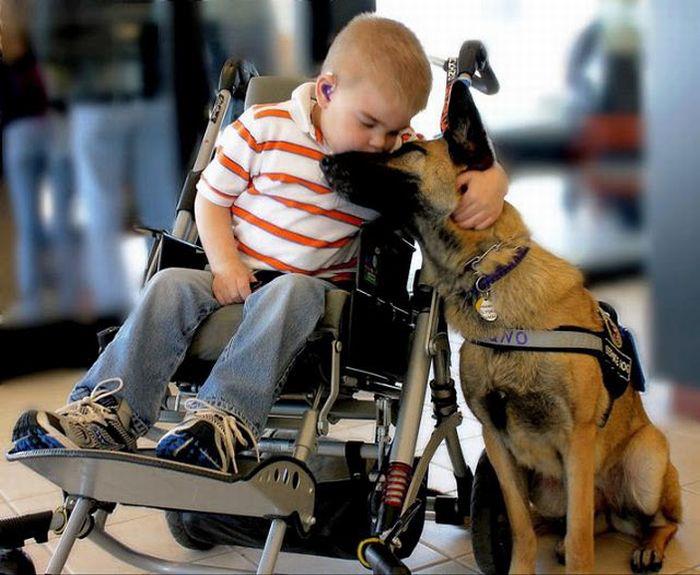
Animal rights is a philosophy that animals have rights similar to or the same as humans. True animal rights advocates believe that humans do not have the right to "use" animals in any capacity. They would prohibit raising of animals to produce meat, leather, wool, feathers, fur, eggs, milk and honey. The would also ban hunting, fishing, rodeos, horse racing, circuses, life-saving medical research using animals, petting zoos, marine parks, breeding of pets, use of dogs for police work, hunting, herding, as well as “seeing eye” and other therapy dogs. In short, any use of animals for industry, entertainment, sport, recreation or companionship would be banned under the animal rights philosophy.
Prominent animal rights groups include PETA (People for the Ethical Treatment of Animals) HSUS (Humane Society of the United States), IDA (In defense of Animals), SHAC (Stop Huntington Animal Cruelty) and Mercy for Animals. These so-called “animal rights” groups have a definite, well-planned agenda in raising the issue of perceived animal abuse in the media. The "AR" groups wish to promote excessive regulatory legislation under the guise of controlling animal abuse. The animal rightists’ goal is to make animal ownership incrementally more expensive and inconvenient. In so doing, they will achieve an overall decline in animal ownership in society.
PETA claims on their internet homepage, “Animals are not ours to eat, wear, use for entertainment…” However, the animal rights hypocrites at PETA do not have any genuine concern about animal welfare. PETA manages to kill thousands of defenseless pets every year at their Virginia headquarters. Since 1998, PETA has killed 25,840 adoptable dogs, cats, puppies, and kittens instead of finding them homes. In contrast, other shelters in the area save the majority of their intakes. PETA employees admitted picking up puppies and kittens from local veterinarians' offices, supposedly to "help" get them new homes. Instead, they killed them in the van and then dumped the bodies. They never even made it out of PETA's van! This horrific activity went on for months. These PETA employees were subsequently convicted of "littering" dead animals in various dumpsters in their area.
HSUS is governed by a similar twisted animal rights extremist philosophy. Miyun Park, HSUS Vice President from 2005-2009, said at an animal rights conference in 2006: “We don’t want any of these animals to be raised and killed [for food]…unfortunately we don’t have the luxury of waiting until we have the opportunity to get rid of the entire industry. And so because of that….we work on promoting veganism.”
The official “Animal Rights Agenda” was drafted in 1987 and included in the Green Party platform, and was also published in ‘Animals Agenda’ magazine. The “Agenda” includes this statement of policy:
The animal rights groups are well-funded, well-organized and well-staffed, and they utilize effective methods to shape public opinion. These methods include intimidation, such as boycotts of pet stores and furriers, aggressive media rhetoric campaigns. At times they resort to outright terrorism such as physical attacks on scientific researchers, and highly-publicized (though invariably illegal) raids on breeders, in order to achieve their goals.
The Animal Rightists (or perhaps they should be called "Animal Wrongists”?) have become experts in twisting public opinion on animal issues, including dog breeding and selling. Such activities are now widely regarded in an unfavorable light by the general public.
But it isn't just the animal rights groups who sling arrows at those with animal interests. Dog hobbyists, pet owners, rescue leaders, and members of the public are often among the most vocal critics of perceived animal abuse. When dogs are given up, it's not uncommon for rescue personnel to criticize those who relinquish their dogs, and snicker at their reasons as "lame excuses". In reality, the purpose of shelter and rescue in our society is not to point fingers with disdain at the public, it is to find homes for adoptable dogs. Neither a condescending attitude nor playing the blame game will help animals find homes.
Nathan Winograd, an shelter expert who is pioneering No-Kill sheltering methods in this country, believes that the focus should be on positive programs that save lives. He has demonstrated in community after community that changing attitudes can dramatically reverse the killing tide and help to solve the challenges of pet homelessness. Dwelling on the reasons that pets are relinquished does nothing to solve these problems. We should encourage more families to adopt pets rather than place roadblocks on the path to adoption.
Innovative social programs are the keys to success. Such methods as foster care, extended shelter hours, promoting outside adoptions, and behavior rehabilitation programs have been used very successfully in many areas where they have made the commitment to implement no-kill sheltering. Blaming the bogeyman of "irresponsible owners" is a waste of useful time and energy, and has no place in a successful shelter program.
When we blame the public for animal sheltering problems, we fall into a similar mindset as that which is used by the sheltering industry when they kill animals. "If only people were more responsible, these animals would not have to be killed" is a common reasoning held among shelter workers. Indeed, this attitude is one that animal shelter personnel share with the animal rights groups. Animal rights groups such as PETA and HSUS further believe that "killing is kindness" to quote PETA's president Ingrid Newkirk. And kill they do, all the while blaming the irresponsible public. The HSUS even offers seminars for animal control departments in which they urge that animals in shelters be killed as soon as any mandatory holding period expires. Playing up the "irresponsibility" of the general public makes a great excuse to continue to kill thousands of animals, and to raise more obstacles to pet ownership.
And, many of the reasons for pet relinquishment are not due to irresponsibility, but are the result of legitimate social problems. There have been studies done on the "official" reasons that pets are relinquished to shelter or rescue. The reality of life today is forged by economics. The #1 reason for pet relinquishment is cited as “moving.” High rates of unemployment and home foreclosure contribute to this phenomenon. Unfortunately, financial problems may mean that some pets must be re-homed out of necessity. Pets may also find themselves in need of shelter or rescue due to other unforeseen circumstances such as sudden death or incapacity of the owner.
Behavioral problems are rarely cited as a reason for relinquishment, but issues such as excessive barking, difficulty with housebreaking, destructiveness, and incompatibility with children are common reasons for the honeymoon with a pet to end. When people are confronted with a behavior problem that they can't solve, what happens? Many times the dog is given up....or maybe even taken to a distant location and dumped out of frustration on the part of the owner.
To help get pets into the most compatible homes and keep them there, animal welfarists know that public education and support programs are critical. Most individual breeders and breed rescue groups provide educational information about the requirements of their particular breed and are able to advise would-be owners on whether the breed or individual dog in question would be a good match for their particular situation. A good breeder can also serve as an invaluable resource person who the pet buyer can turn to when they have questions or problems.
When adopting a shelter or rescue dog of unknown parentage and background, advice and support may also sometimes be needed and there are limited resources for such help. The California Federation of Dog Clubs has recently developed a brochure with training tips including basic obedience, housebreaking and leash training. We also have established a 1-800 help line for people to call if they have questions or problems with their dog. This brochure is now being distributed to all the shelters in our state, so that new owners can have a resource and reference when they adopt a new dog. This is another example of proactive methods employed by animal welfare advocates.
Let’s try to solve the problems involved with re-homing dogs without looking to find fault and blame in the situation. Such attitudes are nonproductive and can in fact be used as part of the propaganda to further the anti-ownership, pro-killing agenda of the animal rights movement.
Animal welfare issues are increasingly at the forefront of the national news lately. Breeder raids, dogs in deplorable conditions, stray dogs, injured dogs, dogs turned in to shelters by their owners. Dogs dumped at the side of the road by the very person they trust to care for them. Such incidents of animal abuse and neglect are covered on TV or in the newspapers on a regular, ongoing basis. Pictures are often included to support the claim of neglect or abuse. Is this really the way we treat "man's best friend"?
With all this sensational reporting in the media, we may tend to develop a skewed perception of the treatment of dogs in the USA. We might forget that the vast majority of Americans love their animals and would never abuse them, at least not intentionally. We believe that animals should be treated humanely, and most of us support animal welfare.
What exactly is meant by “animal welfare”? The American Veterinary Medical Association states on their website: “Ensuring animal welfare is a human responsibility that includes consideration for all aspects of animal well-being, including proper housing, management, nutrition, disease prevention and treatment, responsible care, humane handling, and, when necessary, humane euthanasia.”
Concerns for animal welfare have promoted a general awareness of the need for proactive rescue efforts in order to prevent shelter deaths. The public has rallied to the cry to seek out their next pet from a shelter or rescue, to the tune of about four million animals "adopted" each and every year.
Sometimes in the zeal to promote animal welfare, animal advocates may cross into the territory of the Animal Rights philosophy. As society has become more urbanized and we have less contact with our agricultural roots, people may begin to confuse animal welfare with animal rights. It is important to distinguish between the two.
Animal rights is a philosophy that animals have rights similar to or the same as humans. True animal rights advocates believe that humans do not have the right to "use" animals in any capacity. They would prohibit raising of animals to produce meat, leather, wool, feathers, fur, eggs, milk and honey. The would also ban hunting, fishing, rodeos, horse racing, circuses, life-saving medical research using animals, petting zoos, marine parks, breeding of pets, use of dogs for police work, hunting, herding, as well as “seeing eye” and other therapy dogs. In short, any use of animals for industry, entertainment, sport, recreation or companionship would be banned under the animal rights philosophy.
Prominent animal rights groups include PETA (People for the Ethical Treatment of Animals) HSUS (Humane Society of the United States), IDA (In defense of Animals), SHAC (Stop Huntington Animal Cruelty) and Mercy for Animals. These so-called “animal rights” groups have a definite, well-planned agenda in raising the issue of perceived animal abuse in the media. The "AR" groups wish to promote excessive regulatory legislation under the guise of controlling animal abuse. The animal rightists’ goal is to make animal ownership incrementally more expensive and inconvenient. In so doing, they will achieve an overall decline in animal ownership in society.
PETA claims on their internet homepage, “Animals are not ours to eat, wear, use for entertainment…” However, the animal rights hypocrites at PETA do not have any genuine concern about animal welfare. PETA manages to kill thousands of defenseless pets every year at their Virginia headquarters. Since 1998, PETA has killed 25,840 adoptable dogs, cats, puppies, and kittens instead of finding them homes. In contrast, other shelters in the area save the majority of their intakes. PETA employees admitted picking up puppies and kittens from local veterinarians' offices, supposedly to "help" get them new homes. Instead, they killed them in the van and then dumped the bodies. They never even made it out of PETA's van! This horrific activity went on for months. These PETA employees were subsequently convicted of "littering" dead animals in various dumpsters in their area.
HSUS is governed by a similar twisted animal rights extremist philosophy. Miyun Park, HSUS Vice President from 2005-2009, said at an animal rights conference in 2006: “We don’t want any of these animals to be raised and killed [for food]…unfortunately we don’t have the luxury of waiting until we have the opportunity to get rid of the entire industry. And so because of that….we work on promoting veganism.”
The official “Animal Rights Agenda” was drafted in 1987 and included in the Green Party platform, and was also published in ‘Animals Agenda’ magazine. The “Agenda” includes this statement of policy:
We strongly discourage any further breeding of companion animals, including pedigreed or purebred dogs and cats. Spay and neuter clinics should be subsidized by state and municipal governments. Commerce in domestic and exotic animals for the pet trade should be abolished.
The animal rights groups are well-funded, well-organized and well-staffed, and they utilize effective methods to shape public opinion. These methods include intimidation, such as boycotts of pet stores and furriers, aggressive media rhetoric campaigns. At times they resort to outright terrorism such as physical attacks on scientific researchers, and highly-publicized (though invariably illegal) raids on breeders, in order to achieve their goals.
The Animal Rightists (or perhaps they should be called "Animal Wrongists”?) have become experts in twisting public opinion on animal issues, including dog breeding and selling. Such activities are now widely regarded in an unfavorable light by the general public.
But it isn't just the animal rights groups who sling arrows at those with animal interests. Dog hobbyists, pet owners, rescue leaders, and members of the public are often among the most vocal critics of perceived animal abuse. When dogs are given up, it's not uncommon for rescue personnel to criticize those who relinquish their dogs, and snicker at their reasons as "lame excuses". In reality, the purpose of shelter and rescue in our society is not to point fingers with disdain at the public, it is to find homes for adoptable dogs. Neither a condescending attitude nor playing the blame game will help animals find homes.
Nathan Winograd, an shelter expert who is pioneering No-Kill sheltering methods in this country, believes that the focus should be on positive programs that save lives. He has demonstrated in community after community that changing attitudes can dramatically reverse the killing tide and help to solve the challenges of pet homelessness. Dwelling on the reasons that pets are relinquished does nothing to solve these problems. We should encourage more families to adopt pets rather than place roadblocks on the path to adoption.
Innovative social programs are the keys to success. Such methods as foster care, extended shelter hours, promoting outside adoptions, and behavior rehabilitation programs have been used very successfully in many areas where they have made the commitment to implement no-kill sheltering. Blaming the bogeyman of "irresponsible owners" is a waste of useful time and energy, and has no place in a successful shelter program.
When we blame the public for animal sheltering problems, we fall into a similar mindset as that which is used by the sheltering industry when they kill animals. "If only people were more responsible, these animals would not have to be killed" is a common reasoning held among shelter workers. Indeed, this attitude is one that animal shelter personnel share with the animal rights groups. Animal rights groups such as PETA and HSUS further believe that "killing is kindness" to quote PETA's president Ingrid Newkirk. And kill they do, all the while blaming the irresponsible public. The HSUS even offers seminars for animal control departments in which they urge that animals in shelters be killed as soon as any mandatory holding period expires. Playing up the "irresponsibility" of the general public makes a great excuse to continue to kill thousands of animals, and to raise more obstacles to pet ownership.
And, many of the reasons for pet relinquishment are not due to irresponsibility, but are the result of legitimate social problems. There have been studies done on the "official" reasons that pets are relinquished to shelter or rescue. The reality of life today is forged by economics. The #1 reason for pet relinquishment is cited as “moving.” High rates of unemployment and home foreclosure contribute to this phenomenon. Unfortunately, financial problems may mean that some pets must be re-homed out of necessity. Pets may also find themselves in need of shelter or rescue due to other unforeseen circumstances such as sudden death or incapacity of the owner.
Behavioral problems are rarely cited as a reason for relinquishment, but issues such as excessive barking, difficulty with housebreaking, destructiveness, and incompatibility with children are common reasons for the honeymoon with a pet to end. When people are confronted with a behavior problem that they can't solve, what happens? Many times the dog is given up....or maybe even taken to a distant location and dumped out of frustration on the part of the owner.
To help get pets into the most compatible homes and keep them there, animal welfarists know that public education and support programs are critical. Most individual breeders and breed rescue groups provide educational information about the requirements of their particular breed and are able to advise would-be owners on whether the breed or individual dog in question would be a good match for their particular situation. A good breeder can also serve as an invaluable resource person who the pet buyer can turn to when they have questions or problems.
When adopting a shelter or rescue dog of unknown parentage and background, advice and support may also sometimes be needed and there are limited resources for such help. The California Federation of Dog Clubs has recently developed a brochure with training tips including basic obedience, housebreaking and leash training. We also have established a 1-800 help line for people to call if they have questions or problems with their dog. This brochure is now being distributed to all the shelters in our state, so that new owners can have a resource and reference when they adopt a new dog. This is another example of proactive methods employed by animal welfare advocates.
Let’s try to solve the problems involved with re-homing dogs without looking to find fault and blame in the situation. Such attitudes are nonproductive and can in fact be used as part of the propaganda to further the anti-ownership, pro-killing agenda of the animal rights movement.
Subscribe to:
Posts (Atom)